Voltarm Robotics is a technology innovator specializing in Physical AI and robotic solutions for the maintenance of North American 69kV–500kV power grids. As a start-up company commencing from 2026, the company addresses critical industry pain points, such as the high safety risks of manual live-line work, aging infrastructure, and extreme weather challenges like insulator inspection, ice accumulation, conductor-limited fixing, and fall-arrest mounting, by providing a localized robotic ecosystem. By integrating industry-proven hardware with proprietary Physical AI algorithms, Voltarm ensures full compliance with North American standards, including CSA, UL, ANSI, and IEEE, enabling utilities to transition from hazardous manual interventions to safe, “zero-downtime” autonomous operations. By fusing advanced Physical-AI algorithms with proven industrial hardware, we provide end-to-end solutions that meet the rigorous standards and complex operating conditions of the United States and Canada.
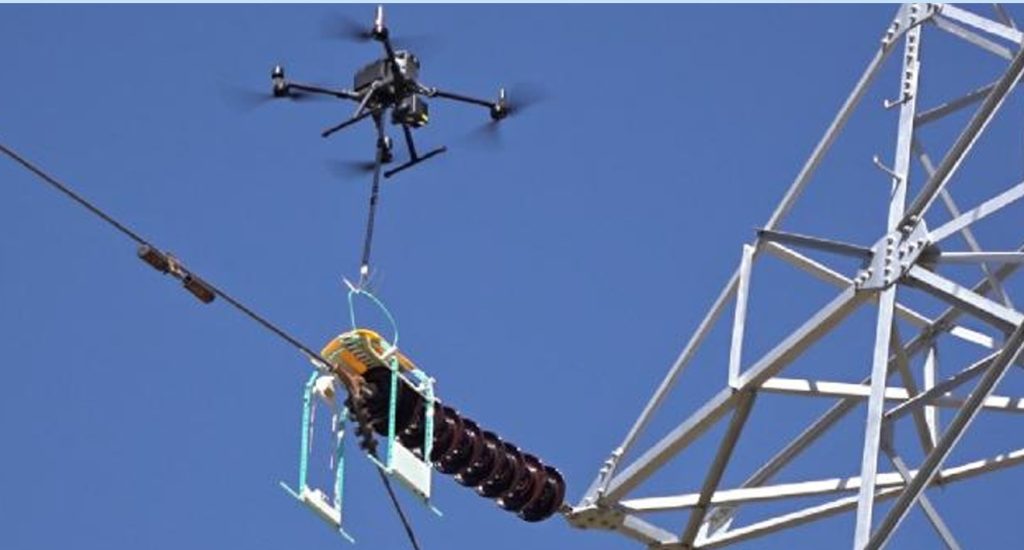
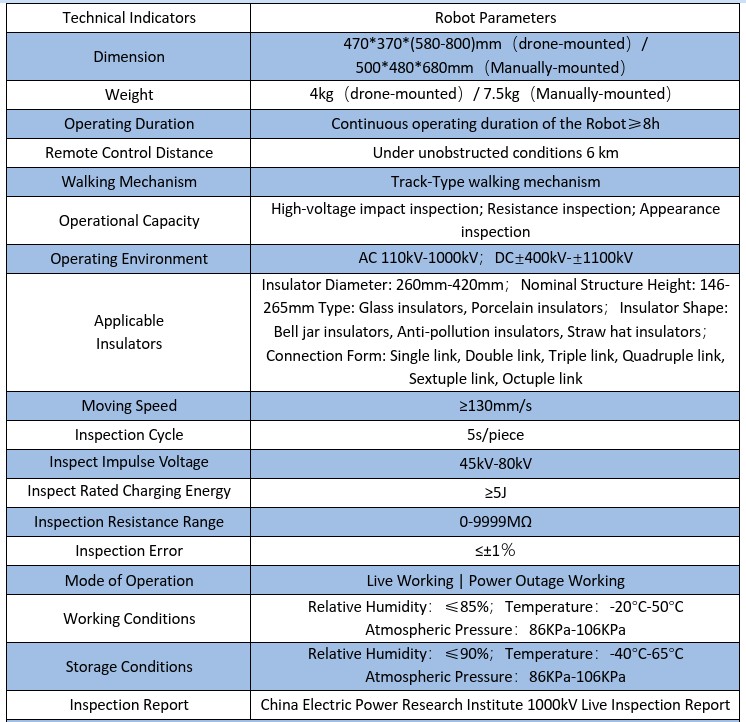
Insulator Inspection Robot (138kV ~750kV)
At the center of our product portfolio is the Voltarm Insulator Inspection Robot, a Physical AI-driven, drone-deployed system engineered to autonomously manage the mounting and demounting process while performing comprehensive health assessments without manual tower climbing. In a significant advancement over traditional UAV fly-overs, this robot utilizes contact-based testing to conduct high-voltage impulse and insulation resistance measurements, enabling the identification of subsurface defects that remain invisible to standard fly-over drones’ optical cameras.
Designed with advanced high-voltage electromagnetic shielding for stable operation in 138kV–500kV environments, the system automates anomaly detection and the generation of regulatory status reports. This provides utilities with a precise, traceable, and intelligent solution that enhances the reliability and safety of high-voltage grid maintenance.
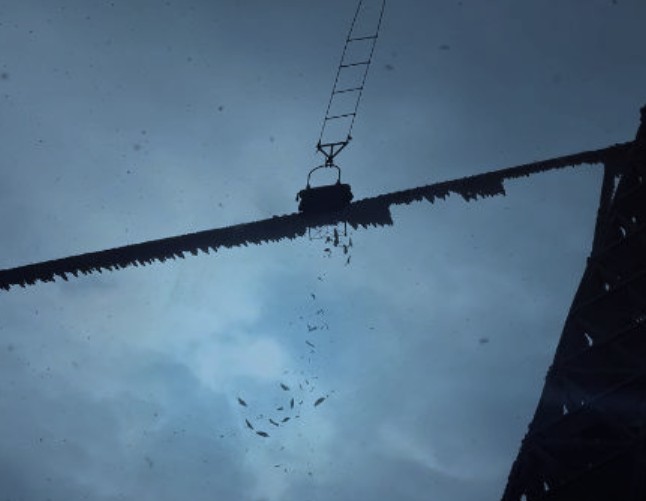
De-Icing Robot (138kV ~750kV)
The Voltarm Transmission Line De-icing Robot provides a robust mechanical solution for live-line maintenance, consisting primarily of a specialized robot body and a Physical AI-driven, drone-deployed system engineered to autonomously manage the mounting and demounting process. Utilizing a high-traction wheeled mobile mechanism, the system is equipped with industrial-grade de-icing cutters and ice hammers designed to perform mechanical impact de-icing, ice chipping, and rolling de-icing operations. This multi-modal approach allows for the effective removal of ice columns and heavy accumulation from conductors under live conditions, ensuring continuous grid stability even in extreme sub-zero environments
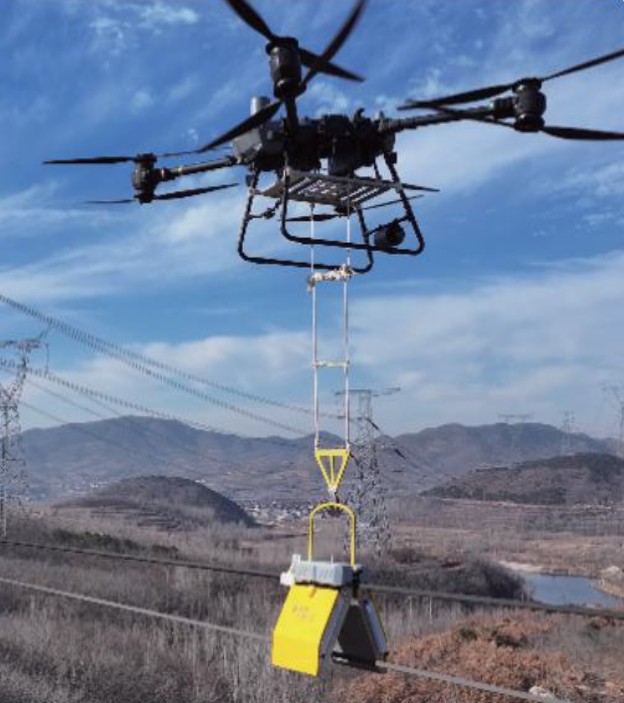
Ice-Preventing Robot (138kV~750kV)
Designed to safeguard infrastructure from severe ice damage, the robot is installed onto transmission lines via a Physical AI-driven, drone-deployed system engineered to autonomously manage the mounting and demounting process and travels along the conductor to apply a uniform layer of specialized anti-icing paint. The system is engineered for high operational flexibility, featuring adjustable running speeds, strong climbing capabilities for inclined sections, and a precision paint supply device that ensures optimal material consumption. By utilizing an adaptable spraying mechanism at the rear of the unit—which can be reconfigured with different inner cores to match various line specifications—the robot creates a durable protective coating that preserves grid integrity during winter weather events.
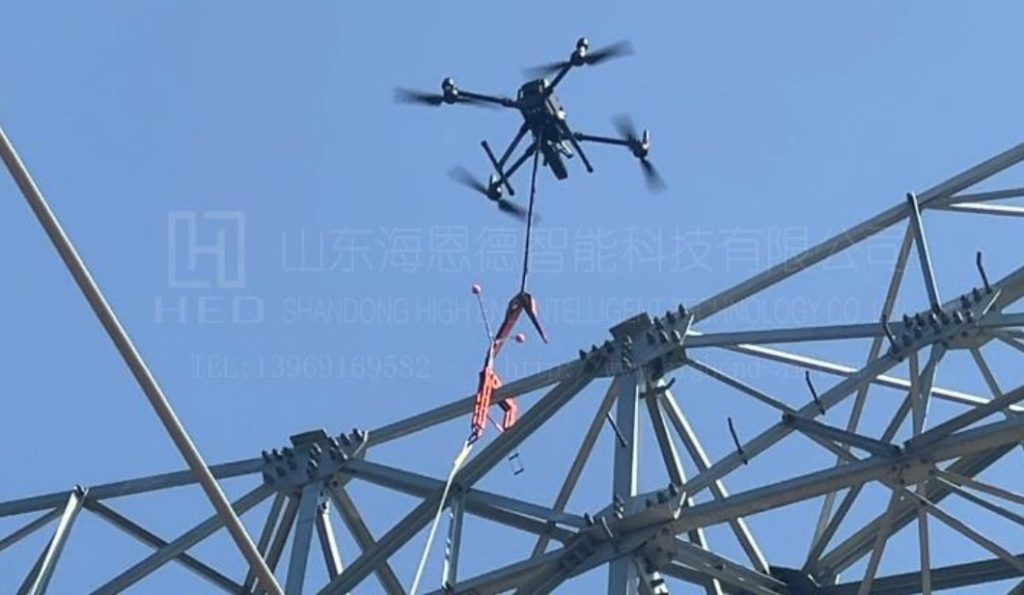
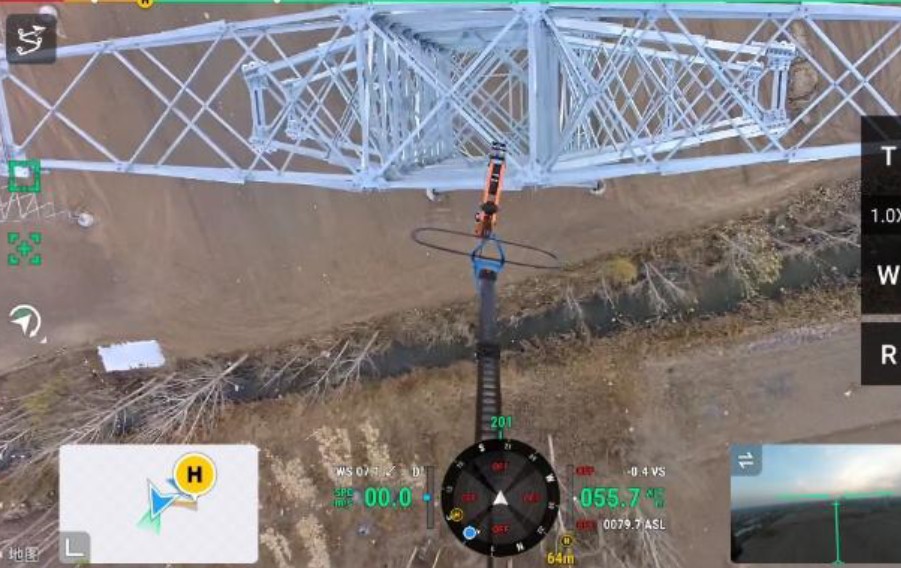
Fall-Arrest Transmission Tower Mounting Robot
The Voltarm DJI-Integrated Tower Climbing Fall-Protection Device is a high-efficiency safety system featuring a gimbal camera, a specialized mounting interface, and an industrial anti-fall hook. Engineered for seamless operation, the gimbal camera leverages the DJI drone transmission link to provide technicians with real-time visual monitoring during the critical attachment and detachment phases. The system’s intelligent hanger is designed to recognize the fall-protection hook, triggering an internal locking pin that automatically secures the device. This automation ensures a convenient and rapid deployment process, significantly reducing manual setup time while maximizing safety for tower-climbing personnel.